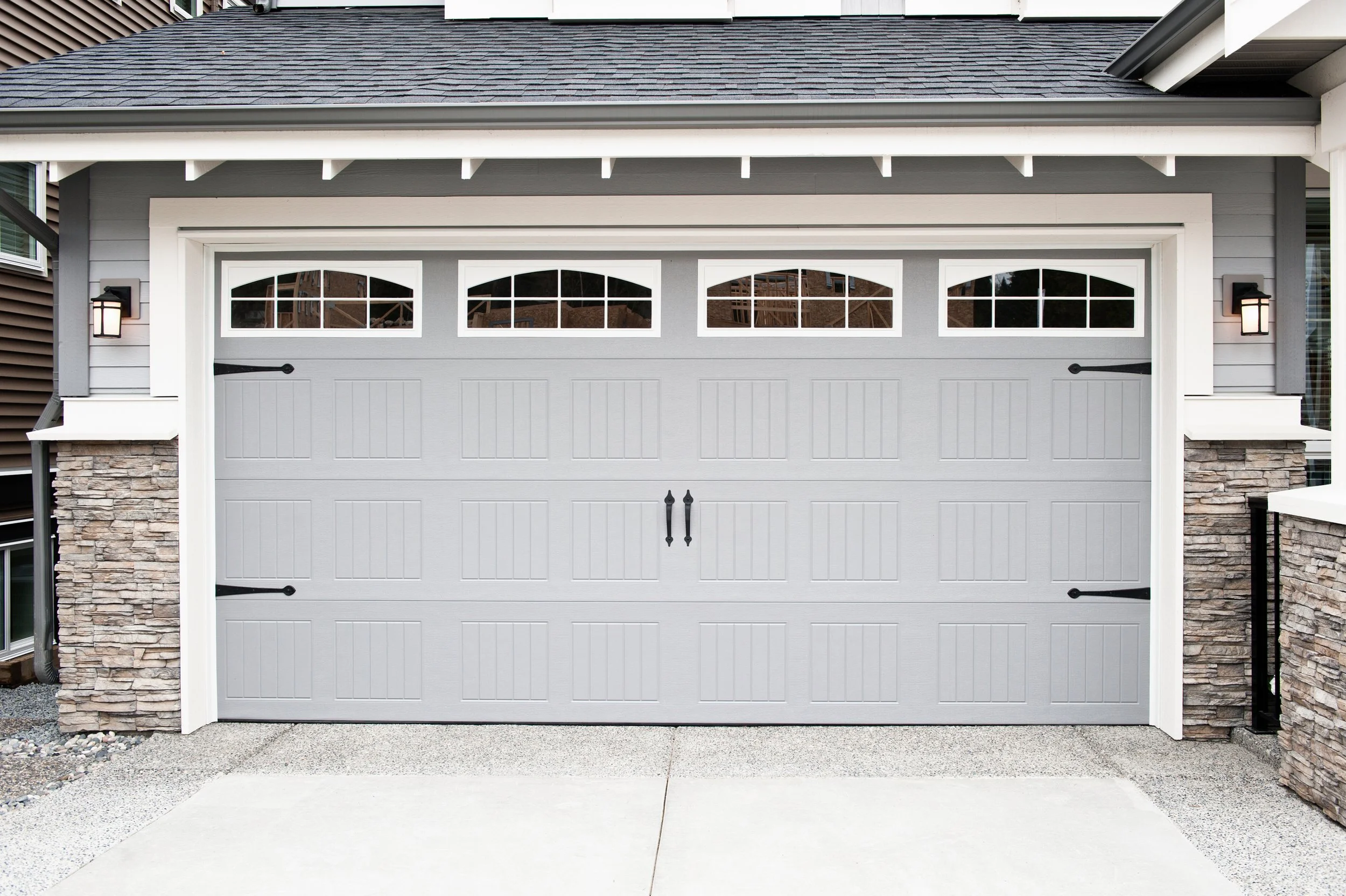
Locate the sensors: The safety sensors are usually located on the bottom of the tracks on either side of the garage door.
Check the sensors: Make sure that both sensors are clean, and that nothing is blocking their view. If there is any debris or dirt on the sensors, clean them with a soft cloth.
Check the alignment: Look at the sensors and make sure that they are aligned properly. They should be pointing directly at each other, with no obstructions in between them.
Adjust the sensors: If the sensors are misaligned, you can adjust them by loosening the screws that hold them in place and gently moving them until they are lined up properly. Once they are aligned, tighten the screws back up.
Test the sensors: Once you have adjusted the sensors, test the garage door to make sure that it goes down all the way. If the door still does not close, you may need to repeat the alignment process or call a professional technician for assistance.
It is important to ensure that your garage door safety sensors are properly aligned, as they are a crucial safety feature that prevents the door from closing on people or objects. I hope this helps! Let me know if you have any questions.
At 208.properties, we believe managing property well means more than collecting rent and fixing leaky faucets. It means showing up for the people who call this place home. Here's why local partnerships matter more than ever.
Boise's rental market is making a quiet but consistent climb heading into peak leasing season. Median rent is up, smaller units are moving, and properly priced rentals are leasing. Here's what the numbers are telling owners this spring.
The Idaho rental market moves fast and has a lot of options. Here's what we tell every renter who asks us where to start.
Idaho's rental market isn't what it was during the pandemic surge, but it isn't collapsing either. Here's what's really happening and why smart landlords are prioritizing retention over rent hikes this summer.
Not all rental properties are created equal. These 5 questions will help you evaluate your next investment and boost your long-term returns as a landlord.
Lowering rent and offering a concession can both lease a home but they don’t protect income the same way. Here’s how to choose the right move.
Technology is part of every aspect that touches our everyday lives. There’s no escaping it; we all have mobile phones and computers and a wide range of electronic devices that are pretty intuitive to what we need and want.
Stop surprise repairs with a simple, seasonal plan. Set clear response times, log fixes, and keep small issues from growing and repair budget steady.
When managing rental properties, efficient property maintenance is key to providing a positive experience for landlords and tenants. Timely and effective repairs not only keep the property in top condition and contribute to tenant satisfaction and retention.
Winter brings a predictable dip in renter activity, but it does not have to sink results. Here is how to navigate the season, sharpen marketing, and use incentives wisely.
Communication is the backbone of property management. Owners want clarity on performance and cash flow. Residents want quick answers and visible progress on requests. The right mix of tools and habits turns communication from a pain point into an advantage.
Busy days calm down when the right tools do the heavy lifting. Here’s how our stack speeds leasing, maintenance, payments, and reporting without adding noise.