

The Boise multifamily market just turned a corner. For the better part of five years, the story here was supply. Construction cranes across Ada and Canyon counties, record delivery volumes, aggressive concession packages, and investors trying to navigate a market that kept adding inventory faster than most analysts expected it to absorb.
That phase is ending. The numbers from 2025 and the early read on 2026 point to a different kind of market, one where fundamentals start to do the work that new construction was doing before.
Supply Is Finally Slowing
The Boise metro delivered just over 2,000 multifamily units in 2025. Five years ago that number would have qualified as historically large. Today it represents a meaningful slowdown, down roughly 45% from the approximately 3,700 units delivered in 2024.
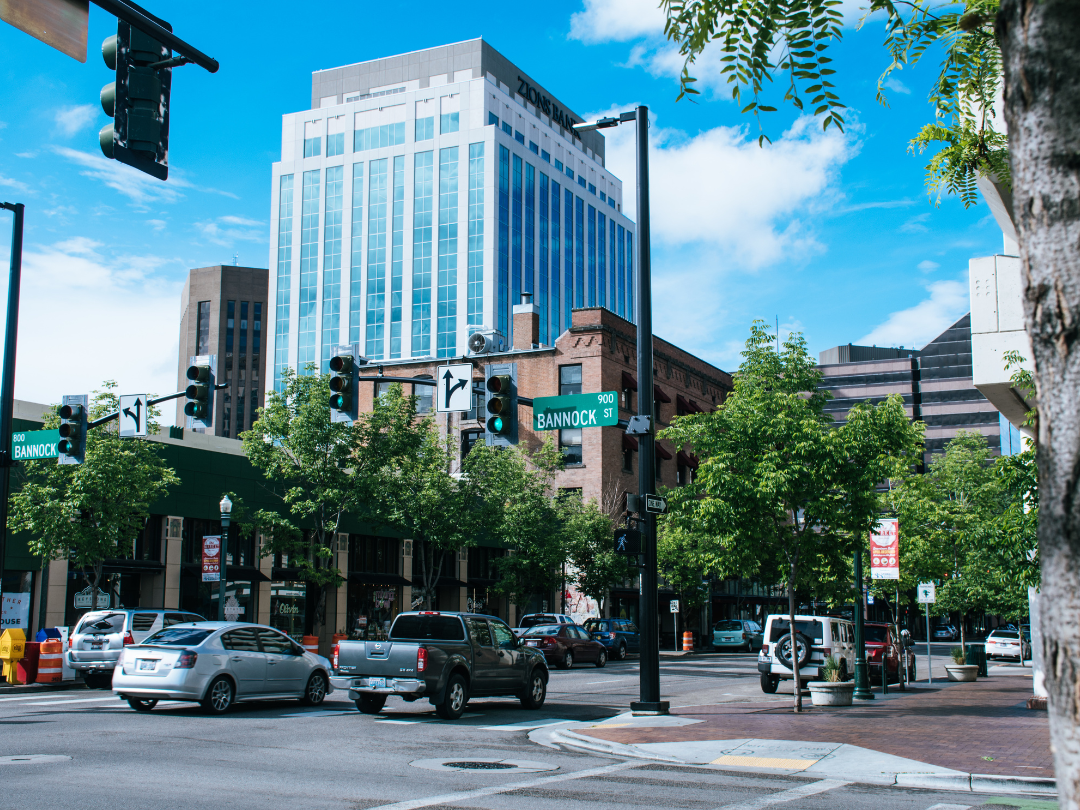
For much of the past five years, Boise consistently ranked among the fastest-growing apartment development markets in the country. Builders responded to explosive population growth, rising rents, and strong in-migration by pushing thousands of units online. That construction surge is now normalizing. New projects continue to move forward, but developers are being more selective as financing costs stay elevated and lenders maintain tighter underwriting standards.
The result is a more measured supply pipeline, and that matters more than the raw numbers suggest.
The Market Is Absorbing What Was Built
One of the more encouraging signals from the past year is how well the metro has digested the heavy delivery volume of 2023 and 2024. Sixteen multifamily communities stabilized across the Treasure Valley over the past 12 months, including significant projects like Canyon Ridge Apartments in Southeast Boise with 284 units and BB Living at the Oaks in Meridian with 185 units.
Stabilization matters because it confirms that the demand side of the equation is still working. New communities are filling, not lingering. That tells investors the population growth story behind the entire Treasure Valley investment thesis remains intact.
Migration and Job Growth Are Still Driving Demand
The Treasure Valley remains one of the most attractive migration destinations in the western United States. Boise, Meridian, Nampa, and Kuna continue pulling residents from higher-cost markets like California, Washington, Oregon, Colorado, and Arizona. The reasons have not changed. Lower housing costs than coastal metros, strong employment growth, business-friendly policy, high quality of life, outdoor access, and expanding healthcare and technology sectors all continue to draw new residents and the household formation that follows them.

U.S. Census migration data continues to show positive domestic migration into Idaho, with Ada and Canyon counties capturing a meaningful share of that movement. As long as job growth and migration remain positive, apartment demand should hold.
The Next Pipeline Is More Manageable
By the end of the first quarter of 2026, approximately 2,055 units were under construction across 20 multifamily projects throughout Ada and Canyon counties.
Where construction is concentrated: Nampa leads the pipeline with around 700 units under construction, followed by Meridian at approximately 465, Boise at 384, and the balance spread across other valley markets. Several notable projects are expected to deliver over the next 12 to 18 months, including Talega Village in Meridian at 340 units, Asher Apartments in Nampa at 299 units, and a 192-unit community in Kuna.
Compared to the volume seen during 2022 through 2024, today's pipeline is significantly more restrained. For investors, that point matters. A lower volume of future deliveries means less competitive pressure on existing assets and more room for occupancy and rent growth as demand catches up with the supply that was already added.
Affordable Housing Is a Growing Share of the Pipeline
Roughly 436 affordable units are currently under construction across the Treasure Valley, representing about 21% of all active multifamily development. Recent affordable deliveries include White Pines Apartments at 264 units and Core Apartments at 74 units, both in Nampa.
The increasing share of affordable housing reflects a growing recognition that workforce housing remains one of the valley's most pressing long-term needs. For investors, this creates both opportunity and nuance. Affordable projects help address regional housing shortages and support long-term community stability, but they also compete for tenants within specific income bands. Understanding where your asset sits relative to that competition is becoming an increasingly important part of underwriting in this market.
Occupancy Is Climbing and Concessions Are Pulling Back
The most important operational signal is what is happening on the ground at existing properties. Occupancy levels are rising. Lease-up performance is staying healthy. Concession packages are beginning to decline. Demand continues to absorb new deliveries.
When concessions start to disappear, it is often one of the earliest indicators that fundamentals are strengthening. Owners typically offer free rent, discounted move-in costs, or other incentives when competition is intense and units sit. As supply pressure eases and occupancy improves, operators regain pricing power. That transition appears to be underway across many Treasure Valley submarkets right now.
For owners, that is a meaningful shift. It means the leverage in negotiations is starting to come back, and the next leasing cycle should look noticeably different from the last two.
What This Means for Investors in 2026 and 2027
The outlook for Boise multifamily investing is shaping up to be more constructive than it has been in several years. The pieces fit together in a way that has not been true since before the construction boom peaked.
New supply is slowing. The development cycle that defined the market over the past several years is fading. Fewer deliveries reduce competitive pressure on existing properties.
Demand remains strong. Migration, job growth, and household formation continue supporting apartment demand throughout the region.
Stabilization is happening. Recently delivered communities are reaching their operational targets, which proves the market can absorb the inventory that was built.
Operating fundamentals are improving. Rising occupancy and declining concessions suggest landlords are beginning to regain leverage at the unit level.
Interest rates could become a tailwind. If rates moderate during 2026 or 2027, capital markets activity should accelerate. Lower financing costs would likely improve transaction volume, increase investor demand, and support asset valuations.
From a Development Cycle to an Operations Cycle
The Boise multifamily market appears to be transitioning from a development-driven cycle to an operations-driven cycle. For the past several years, investors focused on navigating record construction volumes and elevated competition for tenants. Looking ahead, the focus shifts toward occupancy growth, revenue optimization, and long-term appreciation.
Challenges remain, including affordability pressure, ongoing construction cost issues, and broader economic uncertainty. But the underlying fundamentals of the Treasure Valley remain strong. Slowing supply growth, continued migration, improving occupancy, and a more balanced market environment position Boise, Meridian, Nampa, and the broader region for what should be a stronger operating environment throughout 2026 and into 2027.
For investors who have been waiting for the market to find its balance, that moment is starting to look a lot closer than it did a year ago.