
Over the last several weeks, headlines across financial media have exploded with claims that Japan and Japanese investors are “dumping” U.S. Treasuries. At the same time, concerns continue growing around America’s exploding national debt, rising interest rates, inflation, and the long-term strength of the U.S. dollar.
So the big question investors are asking is:
Are we entering a debt and currency crisis?
The answer is more complicated than most headlines make it seem.
Why Everyone Is Talking About Japan
Japan has historically been one of the largest foreign holders of U.S. debt. For decades, Japanese banks, pension funds, insurers, and institutional investors purchased U.S. Treasuries because American bonds offered much better returns than Japan’s ultra-low interest rates.
Recently, however, reports showed Japanese investors sold roughly ¥4.95 trillion, or more than $30 billion, in U.S. bonds during the first quarter of 2026.
That immediately sparked concerns across Wall Street that one of America’s biggest creditors may be starting to pull back from financing U.S. debt.
However, there’s an important distinction that needs to be made.
This was not Japan’s government suddenly panic-selling all U.S. Treasuries. Instead, it appears to be a combination of institutional portfolio rebalancing, currency intervention, and changing interest rate dynamics. Japan still holds approximately $1.24 trillion in U.S. Treasuries and remains one of America’s largest foreign holders of debt.
Why Japanese Investors May Be Pulling Back
For years, Japan operated under near-zero interest rates. Investors there were almost forced to invest overseas in order to earn meaningful returns.
That environment is beginning to change.
Japanese government bond yields have risen sharply as the Bank of Japan slowly moves away from decades of ultra-loose monetary policy. As a result, Japanese investors can now earn more attractive returns at home without taking on U.S. dollar currency risk.
At the same time, several global pressures continue building:
U.S. inflation remains stubbornly elevated
Treasury yields have moved significantly higher
Oil prices and geopolitical tensions continue adding inflation pressure
Markets are becoming less confident about future Federal Reserve rate cuts
As yields rise and volatility increases, some Japanese investors are deciding it may be safer and more profitable to move capital back home.
Is This the Start of a U.S. Debt Crisis?
The U.S. debt situation is becoming harder to ignore.
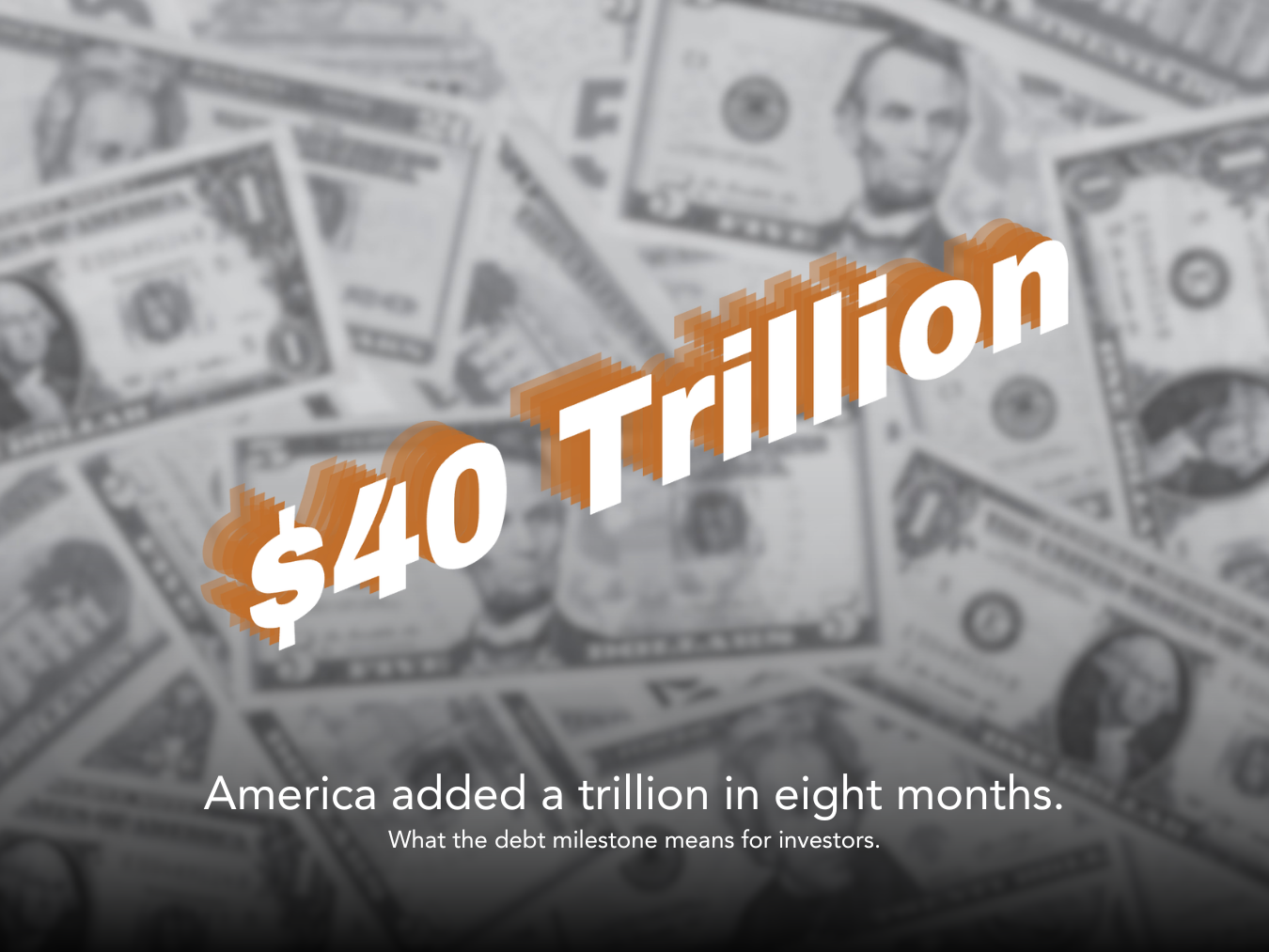
America’s national debt has now climbed above $35 trillion, while global debt recently reached nearly $353 trillion worldwide.
The concern is not simply the size of the debt itself. The larger issue is the cost of servicing that debt.
As interest rates rise, the U.S. government must pay dramatically more interest on newly issued bonds. Higher yields create a dangerous cycle that includes:
Larger federal interest payments
Bigger government deficits
More Treasury issuance
Greater dependence on investors continuing to absorb that debt
If foreign demand begins weakening while Treasury supply continues increasing, yields may need to rise even higher to attract buyers.
That is where long-term risks begin to grow.
Could This Become a Currency Crisis?
A true currency crisis happens when confidence in a country’s currency rapidly deteriorates.
Right now, the U.S. dollar is still the world’s reserve currency, and there is no immediate evidence of a full-scale collapse in global confidence. However, there are warning signs investors should be paying attention to.
We are beginning to see:
Some international investors diversifying away from U.S. Treasuries
Strong global demand for gold
Central banks increasing gold reserves
Countries exploring trade settlement systems outside of the U.S. dollar
Rising deficits pressuring long-term confidence in U.S. fiscal policy
At the same time, investors are slowly diversifying toward Japanese and European government bonds instead of relying solely on U.S. debt markets.
Still, it’s important to keep perspective.
The U.S. Treasury market remains the largest and most liquid bond market in the world. Even with recent selling activity, foreign holdings of U.S. Treasuries remain historically high.
So while cracks may be forming beneath the surface, the financial system is not currently facing an immediate collapse.
The Bigger Risk Investors Should Watch
The real danger may not be a sudden overnight crisis.
The bigger risk could be a slow erosion of confidence combined with:
Persistent inflation
Structurally higher interest rates
Massive government borrowing
Reduced foreign appetite for U.S. debt
Currency volatility
Slower economic growth
If these trends continue over the next several years, the United States could face a much more difficult financial environment than investors have experienced over the last two decades.
Japan selling roughly $30 billion in U.S. debt is significant, but it does not mean the global financial system is collapsing tomorrow.
What it does signal is that we may be entering a new phase where:
Interest rates remain higher for longer
Foreign buyers become more selective
Global capital flows begin shifting
Governments face mounting debt pressure
For decades, low interest rates and strong global demand for U.S. debt helped fuel economic growth, cheap borrowing, and rising asset prices.
That environment may be starting to change.