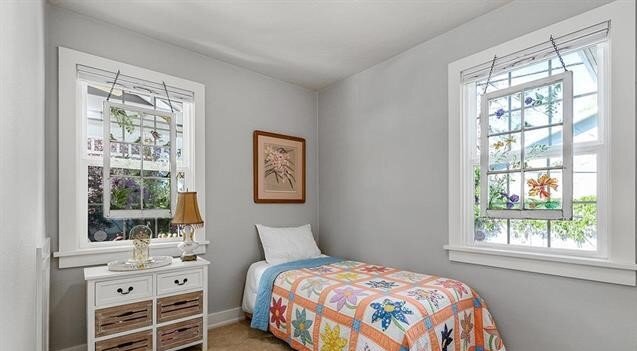
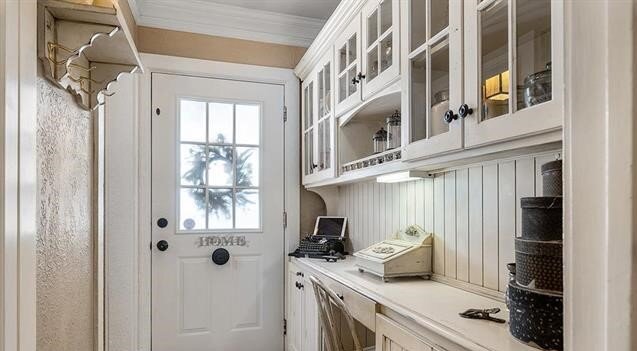
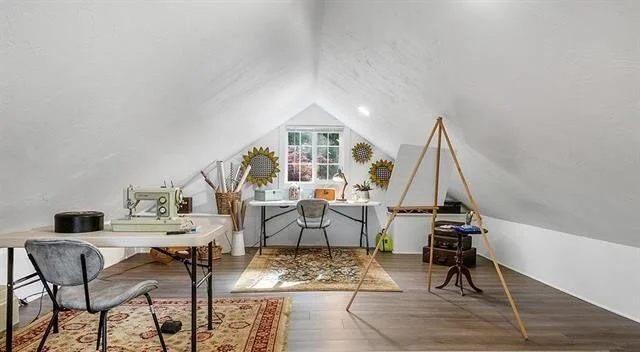
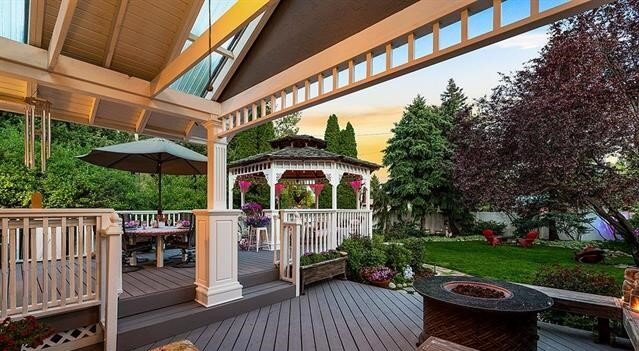
4 BED | 2 BATH | 1,788 SQFT
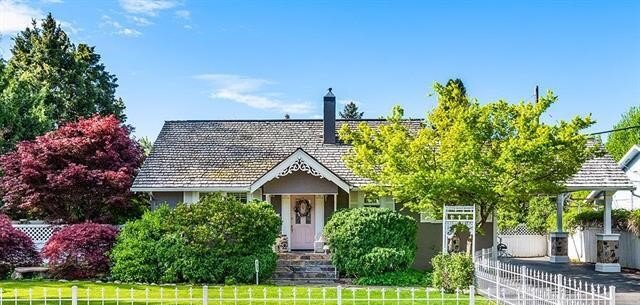
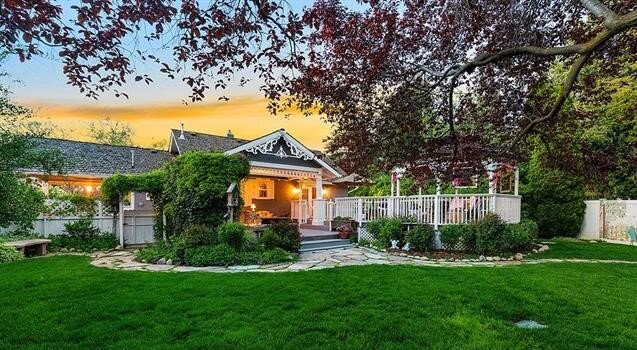
A magical English Garden wonderland, with close accessibility to the Greenbelt, river & minutes away from the airport, but on a quiet street. This darling 1930s Cottage is quite special, having been lovingly carried generation to generation in the same family for its entire existence. The homesite sprawls nearly ¼ acre & is a magical park-like sanctuary. A characteristic white solid wrought-iron fence encapsulates the front yard, framing the incredible architectural appeal in a neat and elegant frame
Most weeks give us one or two stories that could move markets. This week we have several at once. Here's how they connect, and why the 10-year Treasury may matter more than the Fed's decision itself.
Oil is up on Iran headlines, the Fed is sounding hawkish, and inventory is climbing nationally. Here's what it means for Treasure Valley buyers and investors.
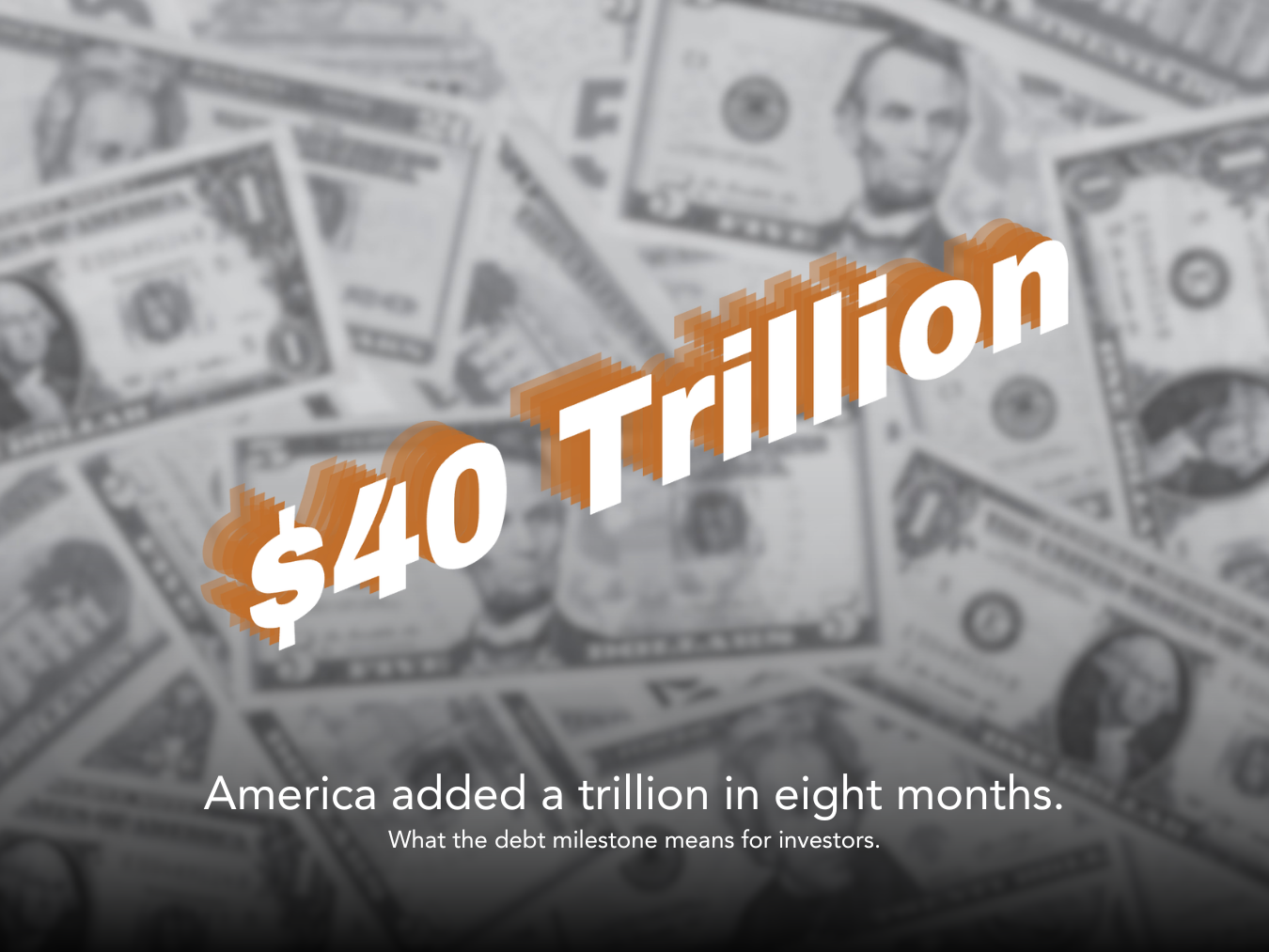
The U.S. national debt topped $40 trillion this month. It's a number so large it barely registers as real, but the ripple effects are already showing up in mortgage rates, stock volatility, and the cost of capital across the board.
Higher borrowing costs changed the game. Investors who used to rely on appreciation are now buying deals that make sense at today's rates. Here's what that means, and where the opportunity is.
Last week one of the largest mortgage lenders in America lost roughly a third of its market value in a single day. It's easy to assume housing is cracking. The real story is more interesting.
For years, investors borrowed cheaply in Japan and invested worldwide. Now the yen is shifting, and that trade could unwind. Here's what it could mean for your stocks, your 401(k), and real estate.
Financial markets respond not only to what the Fed does, but to how its decision compares with what investors expected. Here's why the Fed's words can move rates as much as its decision.
Sometimes the biggest opportunities and the biggest risks aren't in this week's earnings report. They're found by studying history.
For years, investors have wondered whether higher rates and rising costs would eventually push foreclosures up. We're now seeing the signs. Here's what it means, and why it isn't 2008.